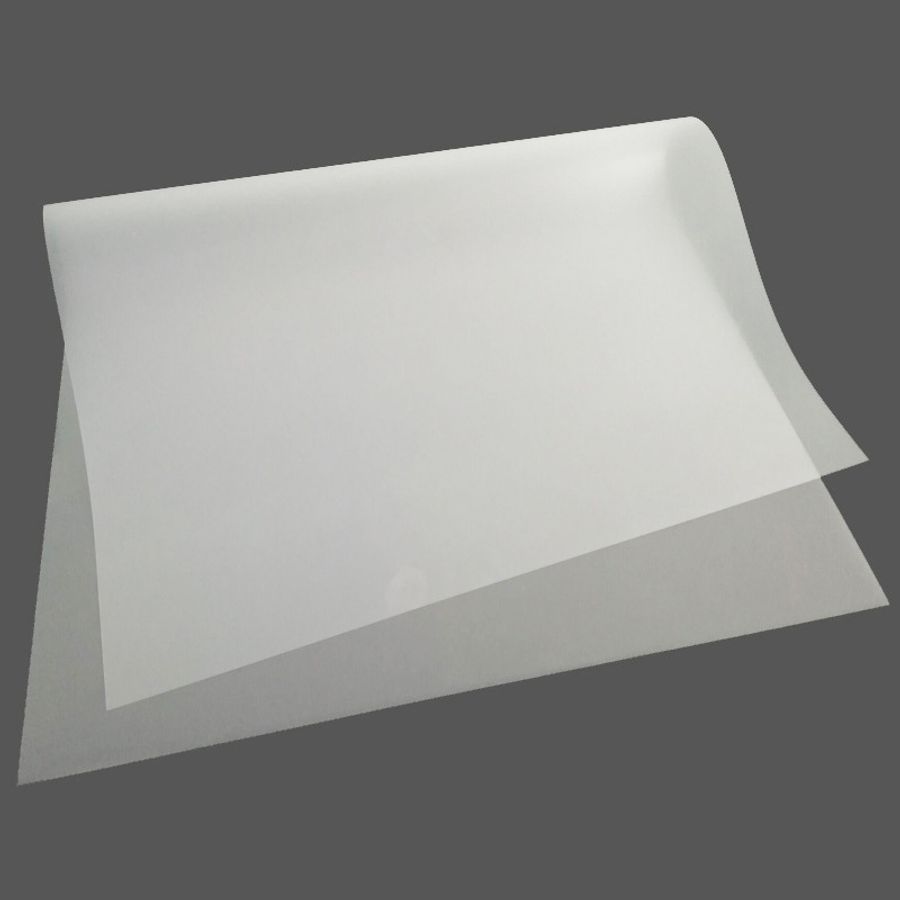
Silk Screen PET Heat Transfer Film – Smooth Release & Clear Print Results
Experience superior printing performance with our Cold Peeling Matte Heat Transfer PET Film, designed for professional screen printing applications. This high-quality Heat Transfer Film features a smooth matte surface, offering excellent ink absorption, crisp detail reproduction, and consistent color output. Engineered for both cold and hot peel processes, it delivers clean, effortless release without curling or residue. The film’s outstanding dimensional stability ensures precise registration and long-lasting results on various fabrics, including cotton, polyester, and blends. Made from high-quality PET material, the film ensures superior dimensional stability, preventing deformation or curling during the printing and transfer process. It supports both cold and hot peel operations, offering flexibility and ease of use depending on production needs. After pressing, the film releases cleanly and instantly, leaving behind a smooth, flawless print surface without residue. With its matte finish and anti-static coating, this Heat Transfer Film ensures accurate registration, stable color output, and professional-grade visual results every time. Whether you’re producing detailed branding elements or full-color designs, it provides a reliable and efficient solution for all your heat transfer printing needs.
Specifications
| Item | Specification |
|---|---|
| Specifications | 48×64cm, 39×54cm, 50×70cm (1000 pcs/ctn) |
| Thickness | 75μm / 100μm (Customizable) |
| Finish | Matte |
| Peeling Type | Cold Peel |
| MOQ | 1000 pcs |
| Applicable Inks | Water-based ,Plastisol ,Solvent-based & Offset Ink |
Product Features
1. Matte Finish & Cold Peel Performance
This Heat Transfer Film features a premium matte surface and excellent cold-peel performance. It releases cleanly after cooling, delivering sharp, vibrant images with no residue left on the fabric.
2. Enhanced Dimensional Stability
Engineered for professional heat transfer printing, the film maintains perfect shape without curling or distortion, ensuring precise alignment and consistent application.
3. Protective & Cost-Saving Back Coating
A specially designed adhesive coating protects the Heat Transfer Film during transportation and storage. This innovation eliminates the need for protective paper, helping reduce material waste and overall production costs.
4. High Ink Compatibility
Compatible with both water-based and solvent-based inks, this Heat Transfer Film supports fine-detail printing with quick drying and strong color adhesion for superior image quality.
5. Advanced Manufacturing Process
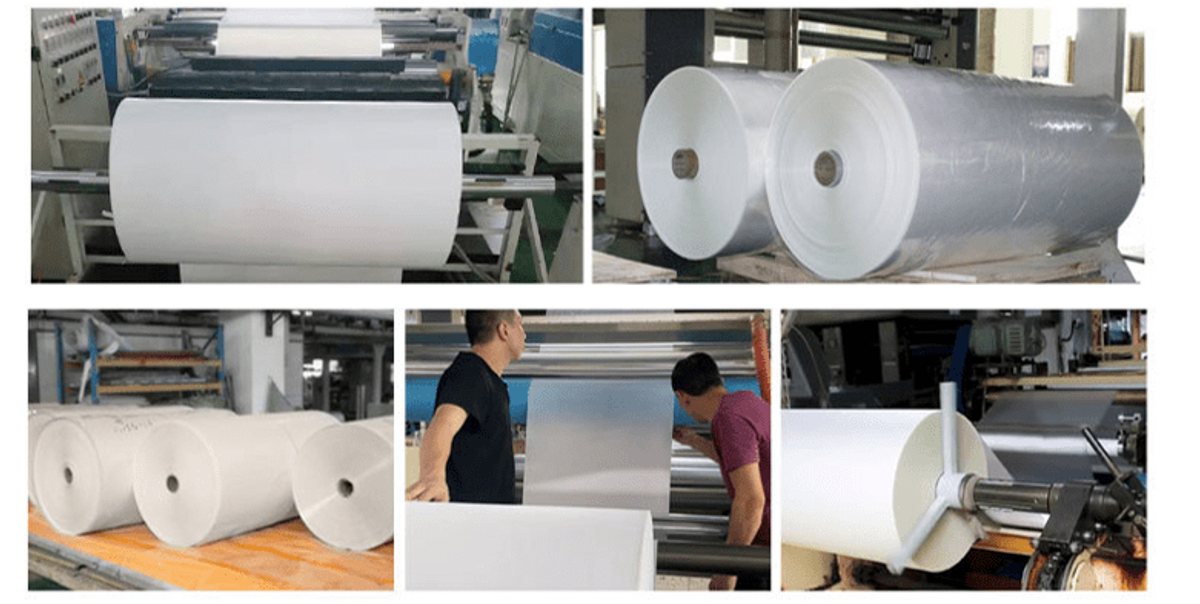
Produced using imported raw materials on a fully automated, computer-controlled coating line, each roll of Heat Transfer Film delivers reliable quality, smooth coating, and consistent performance for every production batch.
How to Use
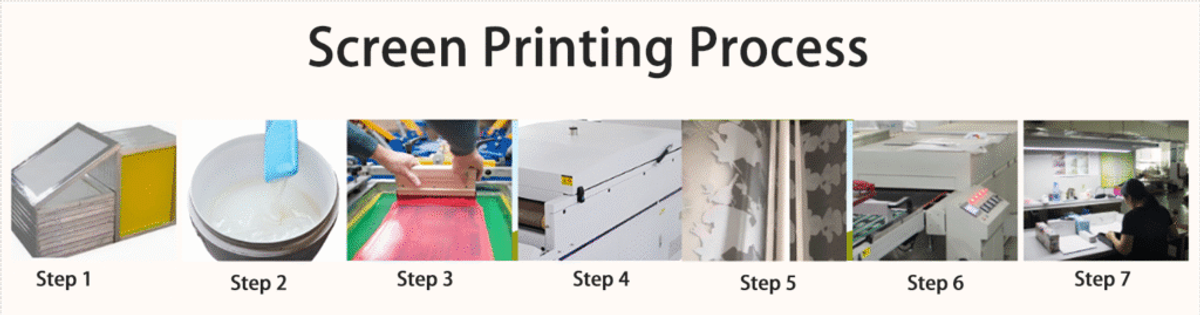
Step 1: Design & Screen Making
Begin by creating the desired artwork and preparing the screen mesh. The mesh count should match the level of detail and the required ink thickness. This ensures precise printing results when applying the Heat Transfer Film.
Step 2: Ink Preparation
Mix suitable inks—typically water-based or solvent-based—to achieve the ideal color, flexibility, and wash resistance. Properly balanced viscosity helps the ink transfer evenly onto the Heat Transfer Film surface.
Step 3: Printing onto the Film
Apply the ink through the prepared screen using a squeegee, transferring the design directly onto the PET Heat Transfer Film. For multi-color designs, repeat this process for each layer, allowing adequate drying time between colors.
Step 4: Pre-Drying (Flash-Off)
Pass the printed Heat Transfer Film through a dryer to remove moisture or solvent. This “flash-off” step stabilizes the ink surface, preventing smudges and preparing it for adhesive application.
Step 5: Powder Application
While the ink remains slightly tacky, evenly apply hot-melt adhesive powder to the printed area. Shake off excess powder, leaving adhesive only on the design portion of the Heat Transfer Film.
Step 6: Curing in Tunnel Oven
The printed film is cured in a high-temperature tunnel oven, allowing the ink to fully dry and the adhesive powder to melt onto the design. This process enhances the durability and bonding strength of the Heat Transfer Film.
Step 7: Completion & Quality Control
Once cooled, the Heat Transfer Film is carefully inspected for adhesion, color accuracy, and print quality. Each finished roll or sheet is then packaged for easy storage and ready for garment application.
FAQ
What is screen PET heat transfer film, and how is it used in screen printing?
What is screen PET heat transfer film, and how is it used in screen printing?
Screen PET heat transfer film is a specially coated polyester film used as a release base for traditional screen printing. Screen printers apply plastisol, water-based, or silicone inks onto the film in reverse, followed by a hot-melt powder or adhesive layer, creating high-quality transfer labels ready for garment heat application.
What is the difference between hot peel and cold peel screen PET release films?
What is the difference between hot peel and cold peel screen PET release films?
Hot peel PET films allow the carrier film to be removed immediately after heat pressing (within 1-2 seconds), enabling rapid mass production. Cold peel PET films require the transfer to cool completely before peeling, providing higher ink opacity, sharper detail retention, and a smoother matte finish ideal for high-density or fine-line graphics.
How does screen PET film maintain high registration accuracy during heat curing?
How does screen PET film maintain high registration accuracy during heat curing?
Our premium screen PET heat transfer film undergoes anti-static and heat-stabilized treatment during manufacturing. This process prevents film shrinkage, curling, or static dust attraction during flash curing and dryer pass-through, ensuring flawless multi-color registration and smooth ink laydown across large production runs.
What fabric types are compatible with transfers made from screen PET film?
What fabric types are compatible with transfers made from screen PET film?
Transfers printed on our screen PET release film can be applied to a wide range of textiles, including 100% cotton, polyester, poly-cotton blends, nylon, and canvas. The final transfer's adhesion and wash durability depend on the ink and hot-melt adhesive used during the screen printing process.
Related Products

Hot & Cold Peeling Clear Heat Transfer PET Film for Offset Printing

Premium Silicone Heat Transfer Sheet for Silk Screen Printing — Durable Silk Screen Printing Solution

Customizable Reflective Film for Printing- Screen Heat Transfer Printing
