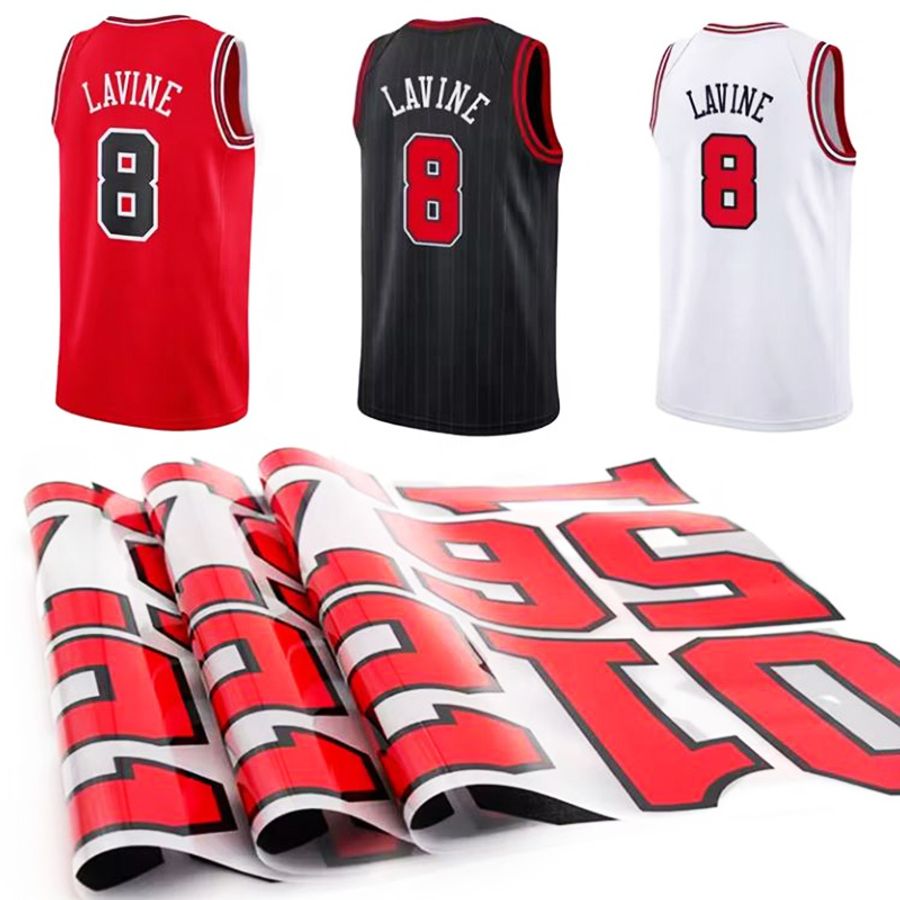
Heat Transfer Numbers For Jerseys
Create customized, professional-grade sportswear and apparel designs with our Premium Heat Transfer Numbers for Jerseys. Engineered for high elasticity and exceptional durability, these heat press numbers are made from anti-sublimation, soft-touch materials that retain their shape and vibrant color even after repeated machine washes.
Specifications
| Item | Specification |
|---|---|
| Material | High-Quality, Anti-Sublimation Material |
| Finish | Soft Touch, Skin-Friendly, Matte |
| Color | Customizable |
| Temperature Range | 130°C–150°C |
| Transfer Time | 10–15 seconds |
| Peeling Method | Hot Peel / Cool Peel |
| Elasticity | High Elastic, Flexible |
| Durability | Washable, Long-lasting Color Retention |
| Suitable Fabrics | Cotton, Polyester, Spandex, Knitted, Elastic Fabrics, Activewear |
| Application | Jerseys, Sportswear, T-Shirts, Team Uniforms, Bags |
| MOQ | Customizable based on order size |
Product Features
1. High-Elastic, Soft-Touch Finish
Ensures excellent flexibility and a skin-friendly, comfortable feel on garments.
2. Exceptional Durability & Washability
Maintains shape and vibrant color after multiple machine washes without cracking, fading, or peeling.
3. Strong Adhesion & Clean Transfer
Powerful adhesive ensures long-lasting bond to fabric, ideal for high-mobility sportswear.
4. Customizable Colors & Sizes
Fully customizable to match your brand, team, or event design specifications.
5. Hot and Cold Peel Options
Flexible workflow with immediate hot peel or delayed cold peel after cooling.
6. Eco-Friendly, Anti-Sublimation Material
Prevents ink migration and color bleeding for crisp, vivid transfer results.
How to Use
To ensure your heat transfer numbers for jerseys achieve consistent, long-lasting results, follow this detailed operational workflow — plus key recommendations for post-care:
1. Pre-Press Prep & Pre-Heating Stage
Goal: Eliminate surface moisture and wrinkles from the garment to create a smooth, even base for transfer placement. This step is critical to ensuring strong adhesion between the transfer and fabric, and preventing defects like bubbling or peeling. Key Settings:
Temperature range: 130–150 °C
Duration: Around 5 seconds
Pressure: Medium intensity
2. Heat Press Operation Steps
Operating Process: Place the heat transfer numbers on jerseys with the design side facing upward. Lower the heat press platen, and confirm that pressure is evenly distributed across the entire design area (uneven pressure can lead to partial transfer failure). Critical Parameters:
Temperature range: 130–150 °C
Duration: 10–15 seconds
Pressure: ≥ 0.24 kgf/cm² (calibration with a pressure gauge is strongly advised for accuracy)
3. Carrier Sheet Peeling Techniques
Different peeling methods suit varied transfer materials — choose based on your specific product:
Hot Peel: Remove the carrier sheet immediately after lifting the heat press platen, while the transfer is still hot (do not let it cool down first).
Warm Peel: Allow the heat transfer numbers to cool for 5–10 seconds until it feels warm (but not hot) to the touch, then peel off the carrier sheet.
Cold Peel: Wait for heat transfer numbers to cool fully to room temperature (approximately 1 minute) before peeling away the carrier sheet.
4. Post-Curing Requirements & First Wash Guidelines
Required Post-Curing Time
After the heat press step, lay the garment flat and let it rest for a minimum of 48 hours (or adhere to the specific recommendations from your ink/adhesive supplier). This period allows inks and adhesives to fully cure, which is essential for maximizing wash resistance and long-term durability of the design.
First Wash Best Practices
Once the 48-hour curing period is complete, turn the garment inside out and wash it on a gentle cycle with cold water. This method preserves the integrity of the transfer design and prevents premature fading or peeling.
FAQ
What materials are compatible with these heat transfer jersey numbers?
What materials are compatible with these heat transfer jersey numbers?
Our custom heat transfer numbers are specifically engineered for performance apparel and sports jerseys. They bond exceptionally well with 100% polyester, polyester-spandex blends, nylon, mesh, and cotton. Their high elasticity ensures they stretch naturally with athletic fabrics without cracking, splitting, or peeling off during intense physical activities.
How do you prevent dye migration on sublimated polyester jerseys?
How do you prevent dye migration on sublimated polyester jerseys?
Standard numbers may experience dye migration on heavily sublimated polyester. If you are working with dye-sublimated fabrics, we offer a specialized sub-blocker option featuring an added anti-bleed layer specifically formulated to prevent migration. Please consult our team before ordering so we can provide the correct anti-sublimation version for your garments.
What application settings (temperature, time, pressure) should be used?
What application settings (temperature, time, pressure) should be used?
For optimal performance, heat press the numbers at 285°F–305°F (140°C–150°C) for 10 to 12 seconds using medium-to-firm pressure (approx. 40–50 psi). Allow the carrier sheet to cool down before peeling (cold peel) or peel warm, depending on the chosen material series. Precise instructions are included with each order.
What is the minimum order quantity (MOQ) and customization process for team orders?
What is the minimum order quantity (MOQ) and customization process for team orders?
We offer flexible wholesale options with low MOQs, making it easy to order individual number sets or bulk quantities for entire sports leagues. You can customize font styles, sizes, and colors directly. Standard production takes 2–4 business days, with rush manufacturing available for urgent athletic events and seasonal demands.


